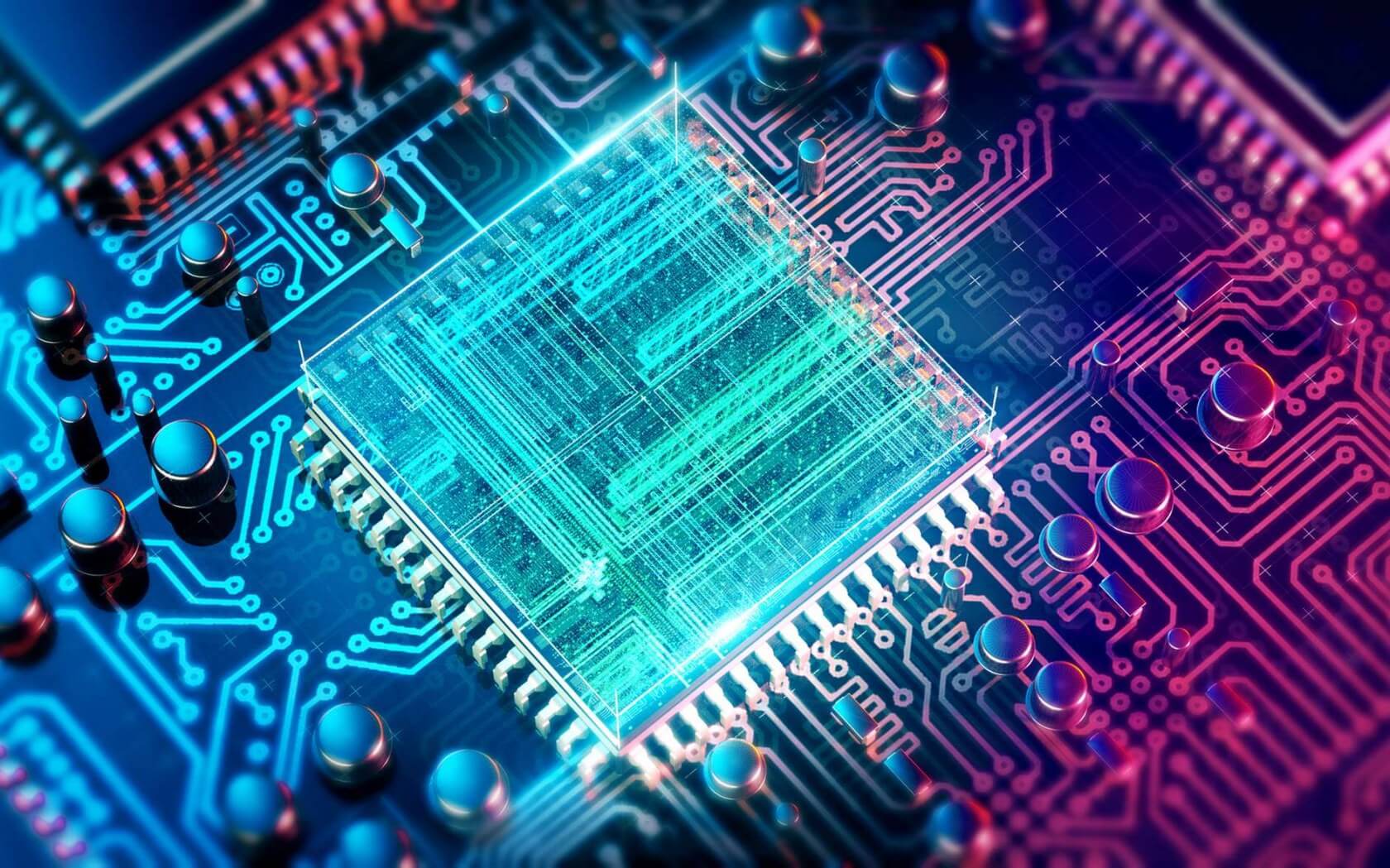
The Future of AI: How Artificial Intelligence is Transforming Our Lives
The future of AI holds immense potential as artificial intelligence continues to transform our daily lives. From enhancing productivity in the workplace to revolutionizing healthcare, AI is increasingly integrated into various sectors. One notable example is the use of AI-driven algorithms in managing and analyzing data, which allows businesses to make informed decisions quickly. Machine learning models are enabling companies to predict customer behavior, optimize supply chains, and even personalize marketing strategies. Moreover, AI-based tools such as virtual assistants and chatbots are streamlining customer support, enhancing user experience, and minimizing response times.
In education, AI is paving the way for personalized learning experiences tailored to individual students' needs. Through advanced analytics, educators can identify learning gaps and adapt their teaching methods accordingly. Additionally, artificial intelligence is being employed in fields such as finance, where it assists in fraud detection, risk assessment, and automated trading. As these technologies advance, ethical considerations and governance around AI development will be crucial to ensure equitable outcomes. The journey into the future of AI is just beginning, and it promises to reshape every facet of our society, economy, and personal lives.
Counter-Strike is a highly popular first-person shooter game that pits terrorists against counter-terrorists in competitive gameplay. Players can choose to engage in various game modes, including bomb defusal and hostage rescue scenarios. To protect your gaming gear, you might want to check out the Top 10 iphone rugged cases which can help ensure your devices are safe during intense gaming sessions.
Top 5 Emerging Technologies to Watch in 2023
The year 2023 is poised to showcase groundbreaking advancements in several fields, driven by emerging technologies that promise to reshape industries and enhance everyday life. Among these, artificial intelligence (AI) continues to evolve, with new algorithms providing solutions in various sectors such as healthcare, finance, and education. Machine learning models are becoming increasingly sophisticated, enabling companies to make data-driven decisions faster than ever before. Furthermore, advancements in natural language processing are allowing for improved human-computer interactions, setting the stage for powerful tools that redefine user experiences.
In addition to AI, blockchain technology is gaining traction across different sectors, offering enhanced security and transparency in transactions. With applications ranging from finance to supply chain management, the decentralized nature of blockchain is likely to streamline processes and reduce fraud. Moreover, other notable technologies to watch include quantum computing, which has the potential to solve complex problems far beyond the capabilities of classical computers, and 5G connectivity, which will usher in a new era of hyperconnectivity, enabling smarter cities and faster internet speeds. As these technologies mature, they will undoubtedly play a pivotal role in shaping the future.
What is Quantum Computing and Why Should You Care?
Quantum computing represents a revolutionary leap in computational technology, harnessing the principles of quantum mechanics to process information in ways that classical computers cannot. Unlike traditional computers that use bits as the smallest unit of data, quantum computers use qubits, which can exist in multiple states simultaneously. This capability allows quantum computers to perform complex calculations at astonishing speeds, solving problems that would take classical computers thousands of years to complete. As research progresses, the potential applications of quantum computing range from drug discovery and materials science to cryptography and artificial intelligence.
So, why should you care about quantum computing? The implications are vast and could significantly impact everyday life. For instance, advancements in quantum computing could lead to breakthroughs in medicine by allowing for the simulation of molecular interactions at unprecedented levels of accuracy. Furthermore, the technology could enhance cybersecurity protocols, making data security more robust against emerging cyber threats. In a world increasingly reliant on technology, understanding quantum computing is not just for scientists; it’s essential for anyone looking to stay informed about the future of technology and its influence on various industries.