Understanding Wi-Fi: How It Works and Why It Matters
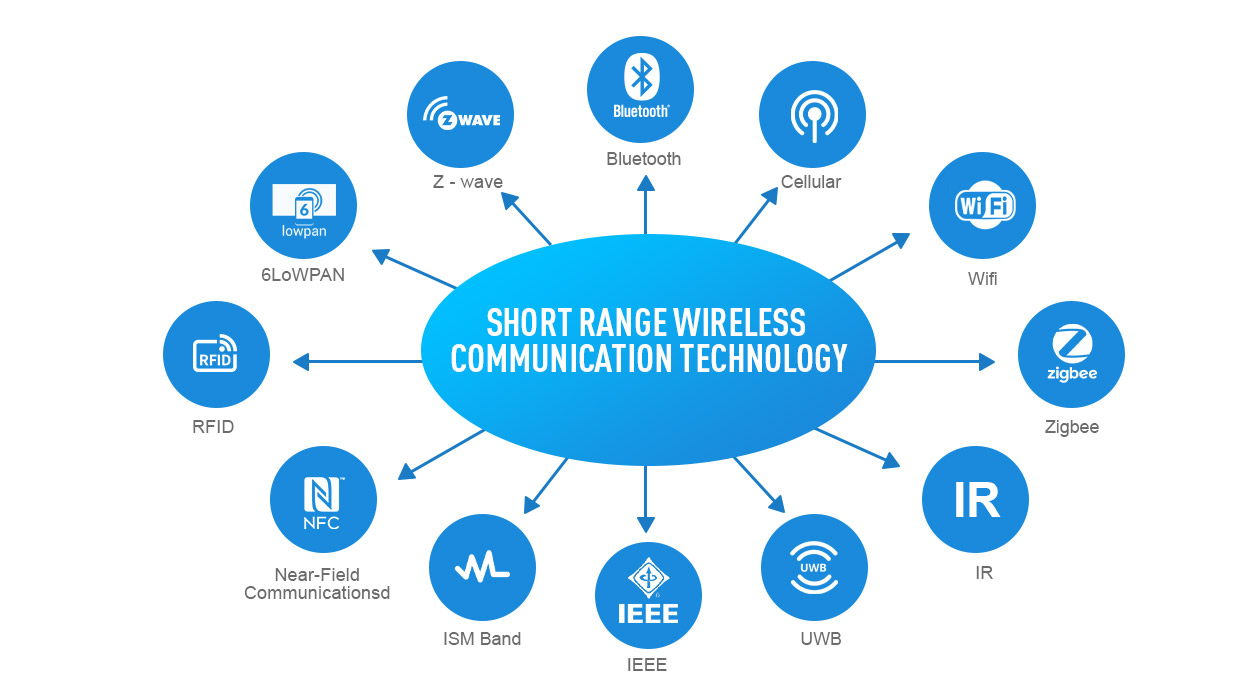
Wi-Fi is a technology that enables wireless networking for devices such as smartphones, laptops, and tablets by using radio waves to transmit data. This technology operates within certain frequency bands, primarily 2.4 GHz and 5 GHz, and utilizes various standards defined by the IEEE 802.11 family. Understanding how Wi-Fi works can greatly enhance our ability to troubleshoot connectivity issues, optimize network performance, and secure our information. By implementing proper security protocols and being aware of signal strengths, users can ensure that their Wi-Fi experience is reliable and efficient.
The significance of Wi-Fi extends beyond personal convenience; it plays a crucial role in the modern landscape of education, business, and social interaction. With the advent of remote work and online learning, reliable Wi-Fi connections have become a necessity rather than a luxury. Moreover, the ability to support multiple devices simultaneously makes Wi-Fi networks fundamental to smart home technologies and the Internet of Things (IoT). As we increasingly rely on digital communication, understanding the dynamics of Wi-Fi is essential for ensuring privacy and optimal performance in our connected lives.
Counter-Strike is a popular multiplayer first-person shooter game that pits teams of terrorists against counter-terrorists in various objective-based situations. Players must work together, utilizing strategy and teamwork, to achieve objectives such as planting or defusing bombs and rescuing hostages. For additional tech insights, check out the Top 10 Wireless Chargers for Pixel Devices, which can be helpful for gamers who need reliable charging solutions.
The Future of Wireless Technology: Trends and Innovations to Watch
As we venture into the next decade, the future of wireless technology is set to be defined by a plethora of groundbreaking trends and innovations. One of the most notable advancements is the rollout of 5G networks, which promise to revolutionize connectivity by providing faster speeds, lower latency, and greater capacity. With 5G, we can expect to see enhanced user experiences in mobile gaming, streaming, and virtual reality applications. Furthermore, the integration of Internet of Things (IoT) devices will become increasingly seamless, leading to smarter homes, cities, and industries that are interconnected like never before.
Another trend to watch is the rise of Wi-Fi 6, which is designed to enhance wireless performance in crowded environments. This latest iteration of Wi-Fi technology allows multiple devices to connect simultaneously without compromising speed or reliability. As the demand for high-bandwidth applications continues to grow, innovations such as mesh networking and advanced beamforming will play crucial roles in maintaining efficient connectivity. Additionally, developments in satellite technology aim to extend wireless coverage to remote areas, bridging the digital divide and enabling access to high-speed internet for more people worldwide.
How Wireless Connectivity is Transforming Daily Life: A Deep Dive
The advent of wireless connectivity has fundamentally changed how we interact with the world around us. From smartphones to smart home devices, the ability to connect without the constraints of cables has opened up a realm of possibilities in our daily lives. Consider how we manage our schedules, conduct business, or even socialize; all these actions are now enhanced by the seamless flow of information that wireless technology facilitates. Wireless connectivity not only streamlines our routines but also fosters a new level of convenience, enabling us to communicate and access information with unprecedented ease.
Moreover, wireless connectivity is revolutionizing sectors such as healthcare, education, and entertainment. In healthcare, for example, remote patient monitoring allows doctors to keep track of patients' conditions outside the clinical setting, significantly improving the quality of care. Similarly, in education, students can access rich multimedia resources from anywhere, enhancing their learning experience. Additionally, the entertainment industry has been transformed with the rise of streaming services that provide instant access to a vast array of content. As wireless technology continues to advance, we can anticipate even greater innovations that will further shape our daily lives in ways we have yet to imagine.