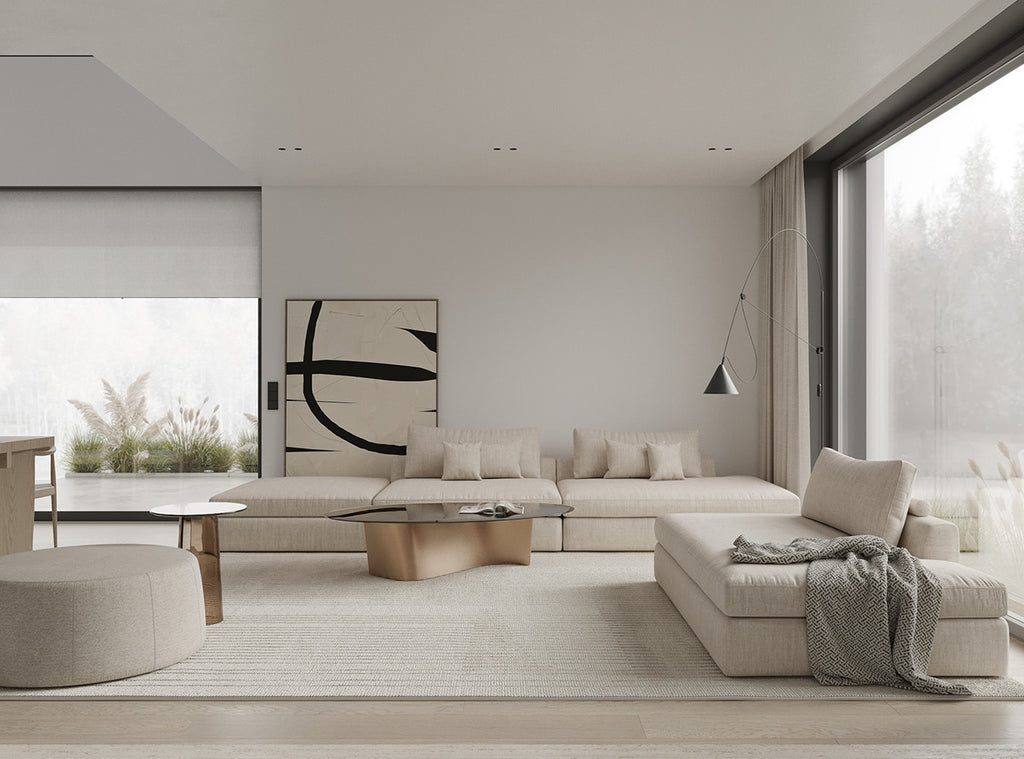
What Does It Mean to Live a Minimalist Lifestyle?
Living a minimalist lifestyle is about simplifying your life by prioritizing experiences and essentials over excess possessions. It encourages individuals to evaluate what truly matters to them and to eliminate the clutter that distracts from those core values. This approach not only leads to a more organized physical space but also fosters mental clarity and emotional well-being. Adopting minimalism can involve various practices, including decluttering your home, adopting a more intentional approach to spending, and focusing on quality over quantity in all aspects of life.
At its core, a minimalist lifestyle promotes the idea of living with intention. This can manifest in various ways, such as:
- Fostering deeper relationships by spending time with loved ones rather than accumulating material goods.
- Creating a peaceful environment that supports mental health by reducing visual and emotional clutter.
- Encouraging sustainability by making conscious choices about consumption and waste.
Ultimately, embracing minimalism allows individuals to reclaim their time, energy, and focus, paving the way for a more fulfilling and purposeful life.
Counter-Strike is a popular first-person shooter game that involves teamwork, strategy, and skill. Players can choose to be part of either the terrorist or counter-terrorist team, with various objectives depending on the game mode. If you're looking to protect your gaming gear, check out these Top 10 Pixel Phone Cases for added safety while you enjoy the game.
10 Simple Steps to Declutter Your Life and Embrace Minimalism
Embracing minimalism starts with a clear and focused approach to decluttering your life. Here are 10 simple steps to help you get started:
- Identify your goals: Understand why you want to declutter and what minimalism means to you.
- Set small, achievable targets: Break down your decluttering tasks into manageable pieces.
- Start with one space: Choose a single room or area, such as your closet or workspace, to begin the process.
- Sort through your items: Create three categories - keep, donate, and discard. Be honest with yourself about each item’s value.
- Minimize digital clutter: Organize your digital files and unsubscribe from unnecessary emails and notifications.
Once you’ve tackled the physical and digital clutter, it’s essential to maintain your minimalist lifestyle. Consider these additional steps:
- Adopt a 'one in, one out' rule: For every new item you bring into your life, let go of another.
- Practice mindful shopping: Before making a purchase, ask yourself if the item adds real value to your life.
- Create a system for new arrivals: Ensure that any new items have a designated place to prevent future clutter.
- Reflect regularly: Set aside time each month to review your possessions and ensure they align with your minimalist goals.
- Embrace simplicity: Cultivate a mindset that values experiences and relationships over material possessions.
How Minimalism Can Enhance Your Mental Well-Being
Minimalism is not just a lifestyle choice; it is a powerful approach that can significantly enhance your mental well-being. By reducing clutter in both your physical space and mental landscape, minimalism allows you to focus on what truly matters. Studies show that living in a clutter-free environment can lead to decreased anxiety and increased feelings of calm. When we declutter our surroundings, we also create room for clear thinking and creativity, paving the way for improved emotional health.
Moreover, embracing minimalism encourages mindful consumption, prompting us to make intentional choices about what we bring into our lives. This shift can help foster a greater appreciation for the things we own and reduce feelings of overwhelm that often accompany modern consumer culture. As you simplify your life, you may find that your stress levels decrease, leading to better overall mental health. In essence, the path to emotional clarity can begin with a commitment to reducing the excess in our lives.