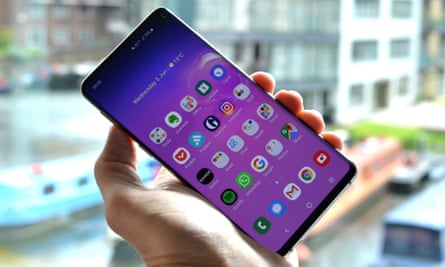
How Smartphones Have Transformed Communication in the Digital Age
In the digital age, smartphones have fundamentally altered the way we communicate. With instant access to information and social networks, individuals can connect with others in ways that were previously unimaginable. Platforms like WhatsApp, Facebook, and Twitter have created a space where messages can be shared in real-time, and even video calls have become commonplace. This shift not only enhances personal relationships but also enables businesses to reach clients around the globe instantaneously. The convenience of smartphones has propelled communication to new heights, breaking down geographical barriers and allowing for seamless interactions.
Moreover, the impact of smartphones on communication extends beyond mere convenience. The rise of messaging apps has significantly reduced the reliance on traditional voice calls and emails. As a result, users engage in shorter, more efficient interactions that often incorporate multimedia elements such as images, GIFs, and voice notes. Additionally, smartphones have paved the way for new forms of communication, such as video conferencing, which have become essential for remote work and collaboration. The response to these advancements reflects a growing preference for visual communication, leading to a shift in how we perceive and interact with each other in both personal and professional settings.
Counter-Strike is a popular tactical first-person shooter that has captivated gamers since its release. Players engage in team-based gameplay, where they can choose to play as terrorists or counter-terrorists. The game emphasizes strategy, teamwork, and skill, providing a dynamic experience that keeps players coming back for more. If you're interested in enhancing your gaming experience, check out the Top 10 Samsung Galaxy S Accessories for some great gear!
The Evolution of Smartphone Technology: What's Next?
The evolution of smartphone technology has been nothing short of remarkable, revolutionizing the way we communicate, work, and entertain ourselves. From the early days of bulky mobile phones to today’s sleek devices with powerful capabilities, each advancement has paved the way for smarter features and improved user experiences. Notably, key developments such as the introduction of touchscreen interfaces, the incorporation of high-resolution cameras, and the rise of app ecosystems have transformed our handheld devices into essential tools for daily life. Today’s smartphones are equipped with cutting-edge technologies including artificial intelligence, augmented reality, and advanced biometric security measures that enhance functionality and user convenience.
Looking ahead, the future of smartphone technology is poised to bring even more groundbreaking innovations. With the advent of 5G connectivity, we can expect lightning-fast internet speeds and seamless streaming capabilities, which will further enable IoT (Internet of Things) integration. Additionally, emerging trends such as foldable screens and enhanced battery technologies are likely to redefine the very design and usability of smartphones. Furthermore, the integration of AI-driven personal assistants and smarter software solutions will provide users with tailored experiences, making smartphones not just devices, but personalized companions that cater to individual needs. As we continue to innovate, the possibilities for smartphone technology are endless.
Are Smartphones Making Us Smarter or More Distracted?
The impact of smartphones on our cognitive abilities has sparked a heated debate. On one hand, these devices have provided us with instant access to information, allowing people to learn new skills, stay updated on current events, and connect with others globally. As a result, many argue that smartphones are making us smarter by facilitating knowledge acquisition and enhancing communication. For instance, applications designed for education and productivity can help users improve their time management and organization skills. However, critics contend that this constant barrage of information can lead to cognitive overload, hampering our ability to focus and retain information.
On the other hand, the distracting nature of smartphones cannot be ignored. The presence of social media apps, notifications, and games often pulls our attention away from more meaningful or productive tasks. Studies reveal that excessive smartphone use can lead to shorter attention spans and increased procrastination, making it harder for individuals to engage deeply with material or tasks at hand. As we strive for a balance between leveraging technology for learning and avoiding its potential pitfalls, it becomes crucial to critically evaluate how we use our smartphones. Are we harnessing their capabilities to become smarter, or are we simply succumbing to their distractions?