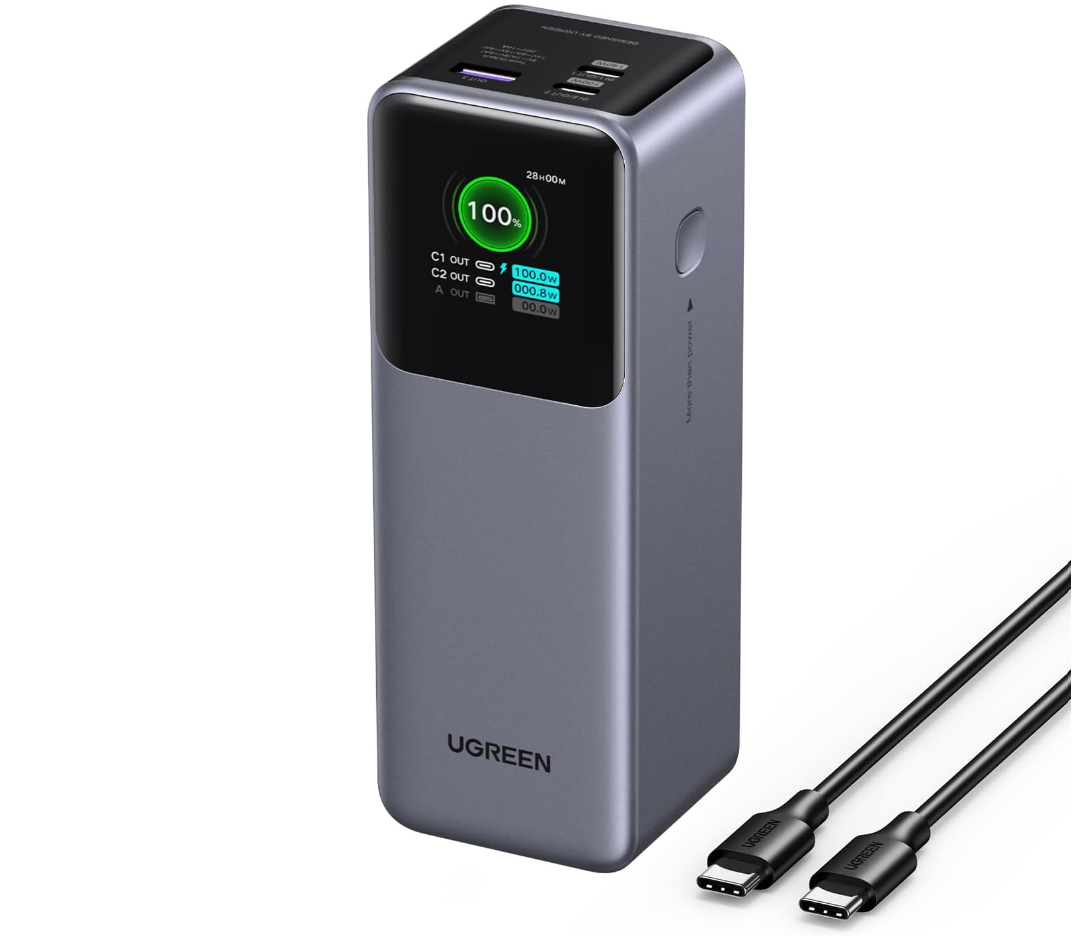
How Power Banks Work: Demystifying the Technology Behind Your Portable Charger
Power banks are increasingly becoming essential gadgets in our daily tech lives, allowing us to charge our devices on the go. At the heart of a power bank lies a battey pack, typically lithium-ion or lithium-polymer, which stores electric energy. When you connect your device, the power bank converts this stored energy into a direct current (DC) that matches the voltage required by your device. The internal charging circuitry ensures that the correct amount of power is delivered safely and efficiently, protecting both the power bank and the device from potential damage.
To understand how power banks work, it's also important to consider their input and output specifications. Most power banks come equipped with multiple USB ports, allowing users to charge several devices simultaneously. The output rating, measured in amperes (A), determines how quickly a device can be charged. For instance, a power bank with a 2A output will charge a smartphone faster than one with a 1A output. Additionally, features like smart charging technology enable power banks to detect the optimal charging speed for each connected device, maximizing efficiency and battery life.
Counter-Strike is a popular tactical first-person shooter that has captivated gamers worldwide. Known for its strategic gameplay and competitive matches, it has become a staple in the esports community. Players form teams to compete in various game modes, including bomb defusal and hostage rescue. For gamers interested in enhancing their mobile gaming experience, check out the Top 10 iPhone Air accessories for optimizing performance and convenience.
Top 5 Features to Look for When Choosing a Power Bank
When searching for the perfect power bank, there are several features that can significantly enhance your user experience. First and foremost, consider the capacity of the power bank, usually measured in milliamp hours (mAh). A higher mAh rating means longer battery life, which is crucial for those long days away from an outlet. Additionally, think about the output power. Look for a power bank that supports fast charging, as this feature allows you to charge your devices quickly, saving precious time.
Another important feature to consider is the number of ports available. If you frequently charge multiple devices simultaneously, a power bank with multiple outputs is essential. Furthermore, ensure the power bank has built-in safety features, such as overcharge protection and short circuit prevention, to safeguard your devices. Lastly, don’t forget to evaluate the design and portability of the power bank; a compact and lightweight option will be easier to carry around, making it a practical choice for everyday use.
Are All Power Banks Created Equal? Understanding Capacity, Speed, and Compatibility
When it comes to power banks, not all are created equal. One of the most critical factors to consider is capacity, which is usually measured in milliampere-hours (mAh). A higher capacity means that the power bank can store more energy, allowing it to charge your devices multiple times before needing a recharge itself. For instance, a power bank with a capacity of 20,000 mAh can power an average smartphone approximately 4-6 times, depending on its battery size. However, it's essential to balance capacity with the size and weight of the power bank, as larger capacities can result in bulkier designs that are not always convenient for portability.
Another crucial aspect to consider is the speed at which a power bank can deliver its charge, often measured in watts (W) or using the term fast charging. Fast charging technologies, such as Qualcomm's Quick Charge or USB Power Delivery, can significantly reduce the time it takes to recharge your devices. Moreover, compatibility is vital; not all power banks will support the various charging protocols that certain devices require. Therefore, before purchasing a power bank, ensure that it is compatible with your devices' charging standards to take full advantage of its speed and efficiency. Understanding these factors—capacity, speed, and compatibility—can help you select the right power bank for your needs.