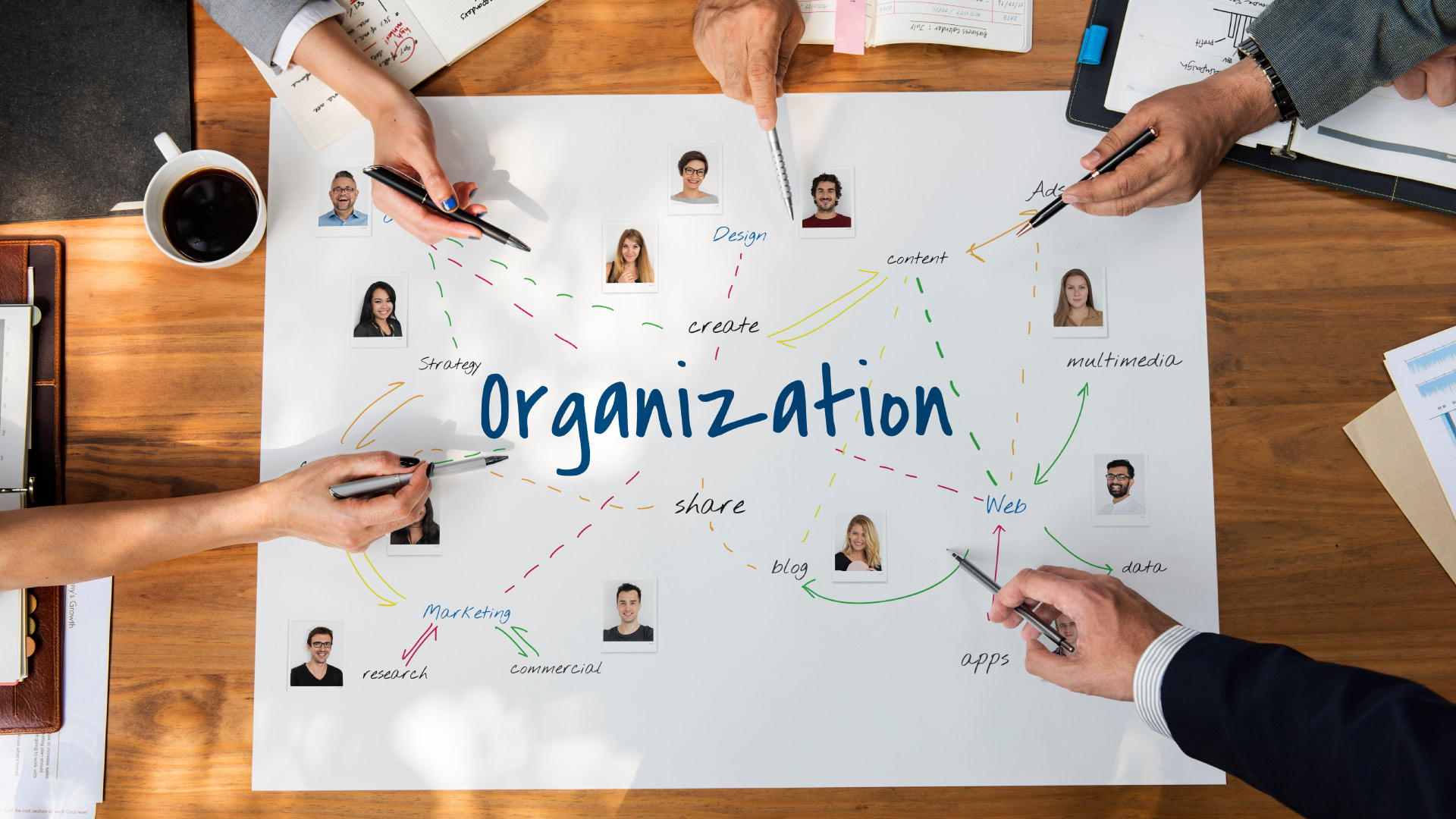
Finding Harmony in Disarray: How Organized Chaos Enhances Efficiency
In today's fast-paced world, the concept of organized chaos has gained significant traction, especially in environments where innovation thrives under pressure. The idea that a certain level of disorder can actually enhance efficiency may seem counterintuitive, but it holds true for many creative and dynamic workplaces. By allowing for flexibility in processes and embracing a certain amount of unpredictability, teams can foster a culture of spontaneity and adaptability. This approach can lead to unexpected breakthroughs and solutions that a rigidly structured environment might stifle.
To effectively harness the power of organized chaos, consider implementing strategies such as:
- Prioritization: Identify the key tasks that drive the most value and focus efforts there.
- Empowerment: Give team members the freedom to experiment and take risks with their ideas.
- Collaboration: Encourage open communication and brainstorming sessions to cultivate diverse perspectives.
When these elements come together, the result is an environment where efficiency flourishes amidst the chaos, allowing for continual growth and innovation.
Counter-Strike is a highly popular first-person shooter game that has been a staple in the gaming community since its release. The game features two teams, Terrorists and Counter-Terrorists, who compete in various objective-based scenarios. Players often seek out the Top 10 Tech Essentials to improve their gaming setup and enhance their overall performance.
The Benefits of Embracing Mess: Unlocking Creativity Through Disorder
In a world that often prioritizes order and structure, embracing mess can seem counterintuitive. However, the benefits of embracing mess are profound, particularly when it comes to unlocking creativity. Disorder can lead to unexpected associations and breakthroughs, allowing individuals to approach problems from fresh perspectives. When we allow ourselves the freedom to work within a chaotic environment, our minds become more flexible, fostering innovation. For instance, famous artists like Jackson Pollock thrived in chaos, and their work exemplified how creativity through disorder can lead to unique artistic expressions.
Moreover, embracing mess isn’t just about physical clutter; it can also apply to our thought processes. A messy brainstorming session can yield a treasure trove of ideas, where participants feel free to share their wildest thoughts without the fear of judgment. This kind of open dialogue encourages collaboration and enhances problem-solving abilities. As we learn to see disorder as a stepping stone rather than a barrier, we unlock a world of possibilities, ultimately enhancing our creative endeavors. In the end, the key to unlocking creativity may very well lie in our willingness to welcome the unpredictable nature of mess.
Is a Messy Workspace Actually More Productive? Debunking the Myths of Organization
The belief that a tidy workspace is synonymous with increased productivity is so deeply ingrained that many professionals equate disorder with inefficiency. However, research has shown that a messy workspace can actually foster creativity and innovation. Individuals working in an organized chaos often find that the clutter stimulates their thinking and allows for a more fluid flow of ideas. For some, the presence of various items can serve as tangible reminders of tasks, inspirations, or projects that spark motivation. Therefore, it's essential to consider that the relationship between organization and productivity is not one-size-fits-all.
Moreover, attempting to maintain a perfectly organized workspace can lead to unnecessary stress and wasted time. The pursuit of order may distract employees from their primary goals, turning them into perfectionists who are less effective overall. In fact, a study published in the Journal of Consumer Research indicates that clutter can actually enhance cognitive flexibility, enabling individuals to think outside the box. Thus, rather than rigidly adhering to traditional standards of organization, embracing a little mess may just provide the creativity boost you need for better results.