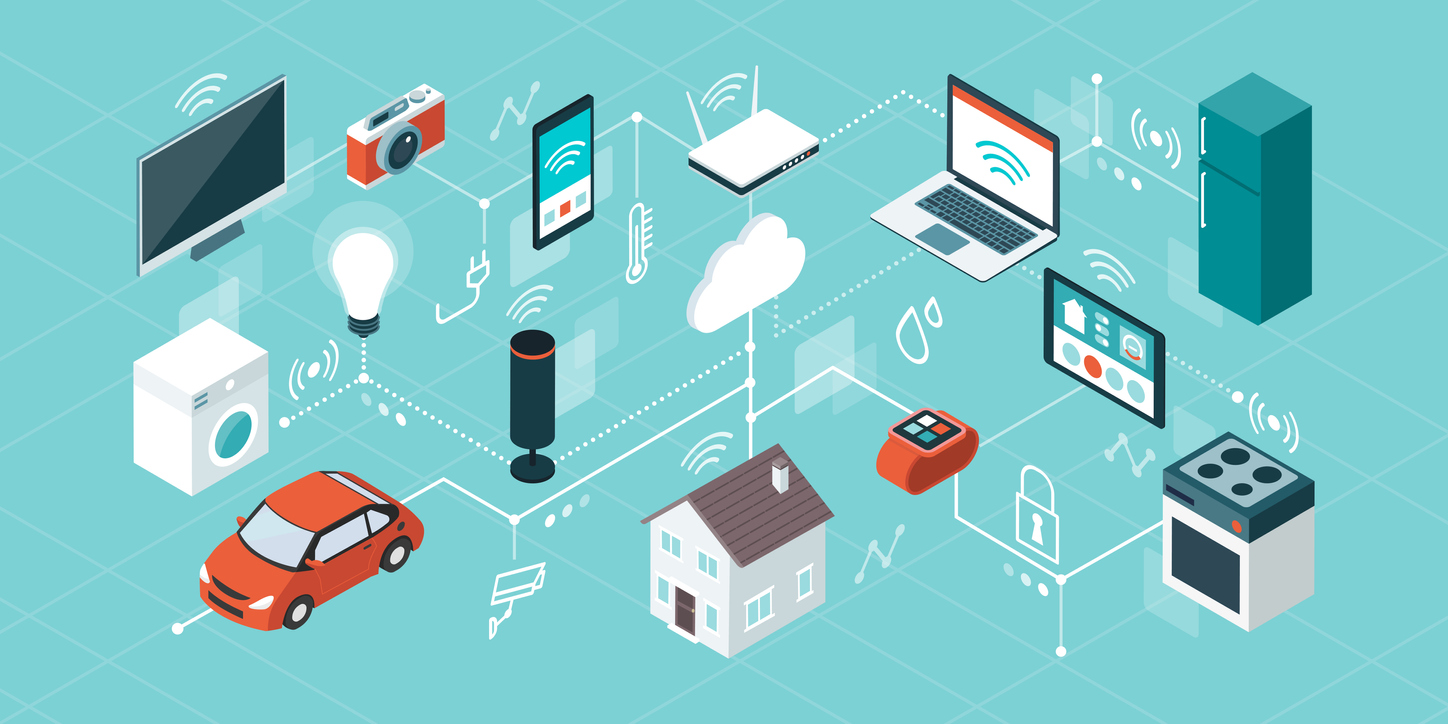
The Subtle Shift: How Smart Devices are Reshaping Your Daily Habits
The rise of smart devices has brought about a significant change in our daily routines, often in ways we may not realize. As these devices become more integrated into our lives, they are subtly influencing our habits, from how we wake up in the morning to how we unwind in the evening. For instance, smart home devices like voice-activated assistants and connected lighting systems can transform our environments to enhance productivity or promote relaxation, allowing us to tailor our experiences with just a few commands.
Moreover, with the proliferation of fitness trackers and health apps, managing our wellness has never been easier. These smart devices empower individuals to monitor their physical activity, sleep patterns, and even dietary habits through real-time data collection. By providing personalized insights, they motivate users to adopt healthier lifestyles and build better habits over time. Ultimately, as we embrace these technologies, we may find ourselves adapting not only our routines but also our expectations for what daily living can entail.
Counter-Strike is a popular first-person shooter game that pits teams of terrorists against counter-terrorists in various objective-based scenarios. Players can choose to play in a variety of game modes, including competitive play, casual matches, and deathmatch formats. As gamers gear up for their next gaming session, they often look for the Top 10 travel tech accessories to enhance their experience on the go. The game is known for its strategic depth and emphasizes teamwork, making it a staple in the esports community.
Are You a Smart Device Addict? The Hidden Impact on Your Daily Routine
In today's hyper-connected world, being a smart device addict has become increasingly common. Whether it’s constantly checking your smartphone, relying on smart speakers for information, or using wearable tech to monitor your health, these devices can significantly impact your daily routine. Studies show that addiction to smart devices can result in decreased productivity, disrupted sleep patterns, and even strained relationships. As we become more dependent on these gadgets, we often overlook their influence on our mental well-being and overall lifestyle.
So, how can you identify if you’re a smart device addict? Consider these signs:
- You find it difficult to engage in conversations without checking your phone.
- You spend more time on screens than with friends and family.
- You experience anxiety when separated from your devices.
From Alarms to Automation: The Unseen Control of Your Day by Technology
In today's fast-paced world, we often overlook the subtle yet powerful influence of technology on our daily lives. From the moment we wake up, our day is controlled by a tapestry of automated systems designed to enhance our efficiency. Whether it’s the alarm that synchronizes with our sleep cycle or the smart coffee maker that brews our favorite blend just in time, these initial interactions set the tone for a day driven by automation. Further down the line, technology continues its unseen work, managing tasks such as scheduling appointments, reminding us to take breaks, and even optimizing our workouts through fitness trackers.
The evolution of technology has transformed our routines into streamlined systems, allowing us to maximize productivity with minimal effort. While many of us remain focused on the visible aspects of technology, like mobile apps and online platforms, it’s essential to acknowledge the unseen control technology exerts over our day. Smart home devices, for example, monitor energy usage and adjust settings automatically to fit our preferences, while algorithms curate the content we consume, influencing our choices and behaviors. Embracing these advances not only helps us navigate our daily lives more effectively, but also prompts us to reconsider how we interact with the world around us, fostering a harmonious relationship between humanity and technology.